



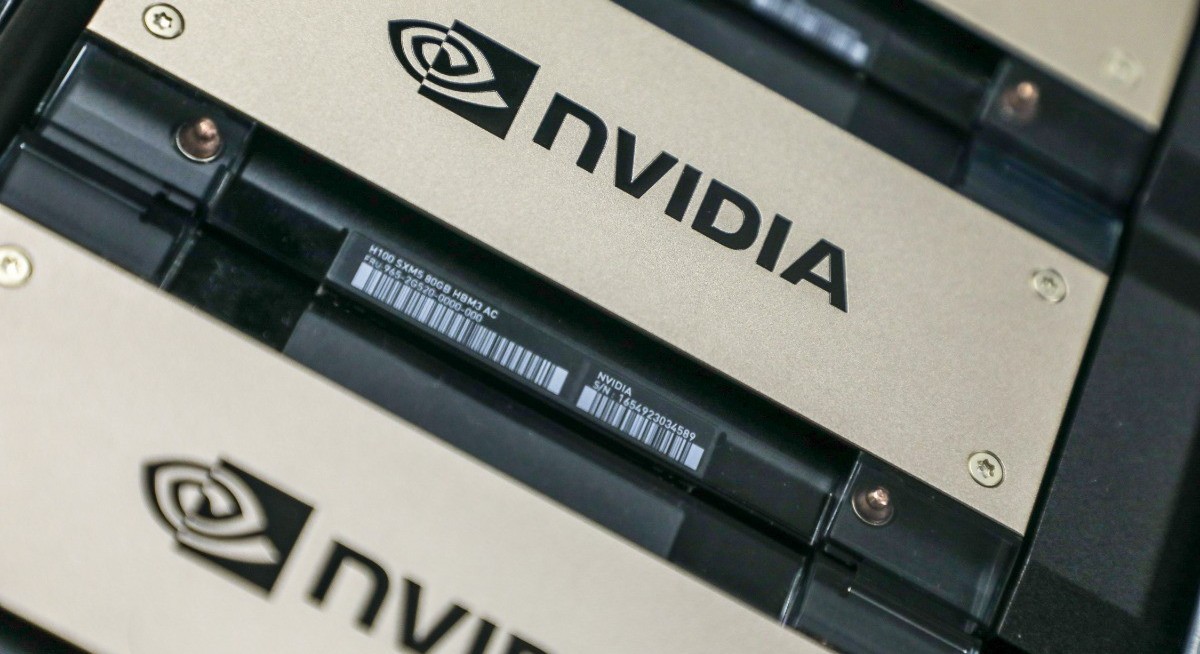



(July 6): Singaporean prosecutors filed additional charges including money laundering against a key suspect in an artificial intelligence (AI) server fraud case, part of the Southeast Asian nation’s growing efforts to clamp down on Nvidia Corp chips being diverted illicitly to other locations including China.
Alan Wei Zhaolun pleaded not guilty in a local court on Monday, with his lawyer saying the charges were “misconceived”. The China-born businessman has been released on bail, his lawyers said, after the amount was raised by $450,000 to more than $1.2 million earlier in the day.
Prosecutors alleged that Wei defrauded some of the world’s largest server makers to gain access to hardware that may have contained Nvidia AI processors subject to US export controls. They have also pressed charges of fraud by false representation against Wei.
The high-profile case centres on whether executives including Wei at Aperia Group misled Dell Technologies Inc, Super Micro Computer Inc and Asustek Computer Inc by misrepresenting the actual end-users of the hardware they acquired from these server suppliers. It also sheds light on how advanced US chip technology subject to trade curbs is channelled through Southeast Asia, and potentially finding its way to China.
Prosecutors have not accused Nvidia, Dell, Super Micro or Asustek of any wrongdoing, but instead are focusing on the individual actors at Aperia and another Chinese citizen involved in the case. Senior government officials have repeatedly said they will clamp down on attempts to use Singapore-linked firms to evade foreign trade restrictions.
Between November 2023 and February 2025, three Aperia executives — Wei, Aaron Woon Guo Jie and Jenny Lim — falsely told the suppliers that one of the Aperia Group’s companies would be the end-user of the servers, according to a police statement published on July 1.
See also: Samsung union leader’s US$26 bil bonus victory turns to bitterness
Both Woon and Lim have also been charged with fraud. The two executives have not indicated how they are going to plead their case.
Aperia said companies in the group and Wei are “fully cooperating with the authorities” in a statement on Monday. “It is unfortunate that despite their best efforts, the companies face these allegations of wrongdoing, which they deny,” Aperia added.
One of the money laundering charges against Wei concerns a $55 million mansion he bought in a premium residential area. Prosecutors alleged that more than half of the funds used for the purchase came from Wei’s criminal conduct. Local authorities have since blocked the sale or transfer of the property.
See also: SK Hynix seeks access to AI investors in US$29 bil US listing
In addition to the Aperia executives, a Chinese national named Li Ming faces fraud charges related to the same probe.
Local authorities alleged that Li made fraudulent representations to Super Micro on two occasions in late 2023. Li, who controls a Singapore-based company called Luxuriate Your Life, once told Super Micro he was an employee of the firm. He also allegedly told Super Micro that Luxuriate Your Life would retain the servers it buys and lease them to other companies, according to the local police. Li also has not indicated how he will plead his case.
If convicted, the four individuals could face years in prison, a fine, or both.
Southeast Asia has emerged as a critical transit hub for routing AI chips and servers to China as Washington has curbed Chinese entities’ access to cutting-edge semiconductor technologies. Apart from the fraud probes in Singapore, US authorities also suspect a company behind Thailand’s national AI efforts of helping to smuggle billions of dollars worth of Super Micro servers containing advanced Nvidia chips to several customers in China, including Alibaba Group Holding Ltd.
Uploaded by Tham Yek Lee




