



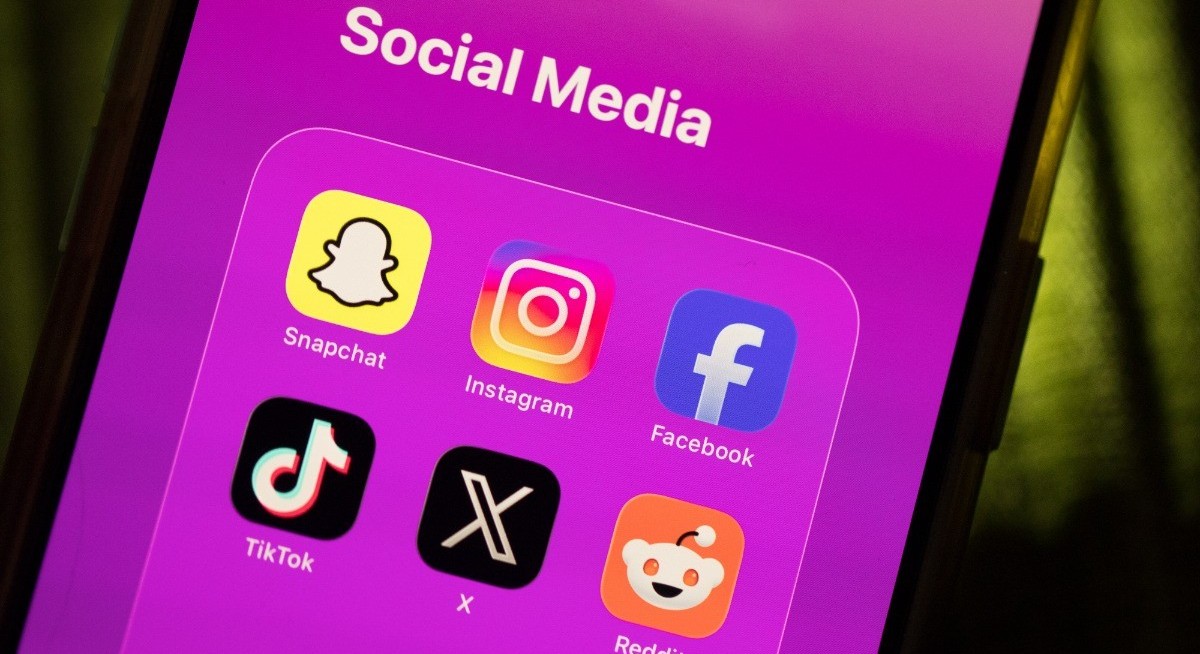


(March 31): Australia’s online safety regulator is investigating Meta Platforms Inc, Snap Inc, TikTok and YouTube for potentially failing to comply with the country’s social media ban for under-16s, in the first formal assessment of Big Tech’s response to the world-first crackdown.
In its first compliance report on Tuesday, eSafety said it has “significant concerns” about the platforms’ adherence to the law, and major gaps remain in their policing measures. There aren’t enough safeguards to stop under-16s creating new accounts, while some platforms are allowing underage kids to repeatedly attempt the same age-check methods until they’re successful, the regulator said. The law took effect Dec 10, 2025.
The assessment opens the door to fines of as much as A$49.5 million (US$34 million or $43.8 million), and eSafety said it has started gathering evidence for possible action. The report underlines concerns that children are finding ways to get around age checks, and that technology firms are reluctant to stop them.
The report comes just days after Meta and Alphabet Inc’s Google were found liable for a 20-year-old US woman’s mental health struggles, which she said were caused by her addiction to social media, and ordered to pay damages. The verdict has raised concerns social media companies are facing a ‘Big Tobacco’ moment — a potential crack in their shield from legal responsibility for what happens on their platforms.
ESafety said it’s aiming to finalise at least some of its probes and decide on any enforcement action by the middle of the year. It’s investigating Facebook and Instagram — both owned by Meta — Snapchat, TikTok and Google-owned YouTube, it said.
“These platforms have the capability to comply today and we certainly expect companies operating in Australia to comply with our safety laws,” eSafety Commissioner Julie Inman Grant said in a statement. “They can choose to do so or face escalating consequences, including profound reputational erosion with governments and consumers globally.”
See also: High-flying chip stocks bear brunt of Iran war risk-off trade
In a statement, Meta said it’s committed to complying with the ban and working constructively with eSafety and the government. “We’ve also been clear that accurately determining age online is a challenge for the whole industry,” Meta said.
In some cases, children are being prompted to prove they are over 16 even when they have already declared they are underage, the regulator said. For any successful enforcement, evidence must establish the platform has not taken reasonable steps to prevent children aged under 16 from having an account.
While there are fewer under-16s with social media accounts than there were four months ago, it’s clear significant numbers of children aged under 16 are still on social media, eSafety said.
Uploaded by Chng Shear Lane




