



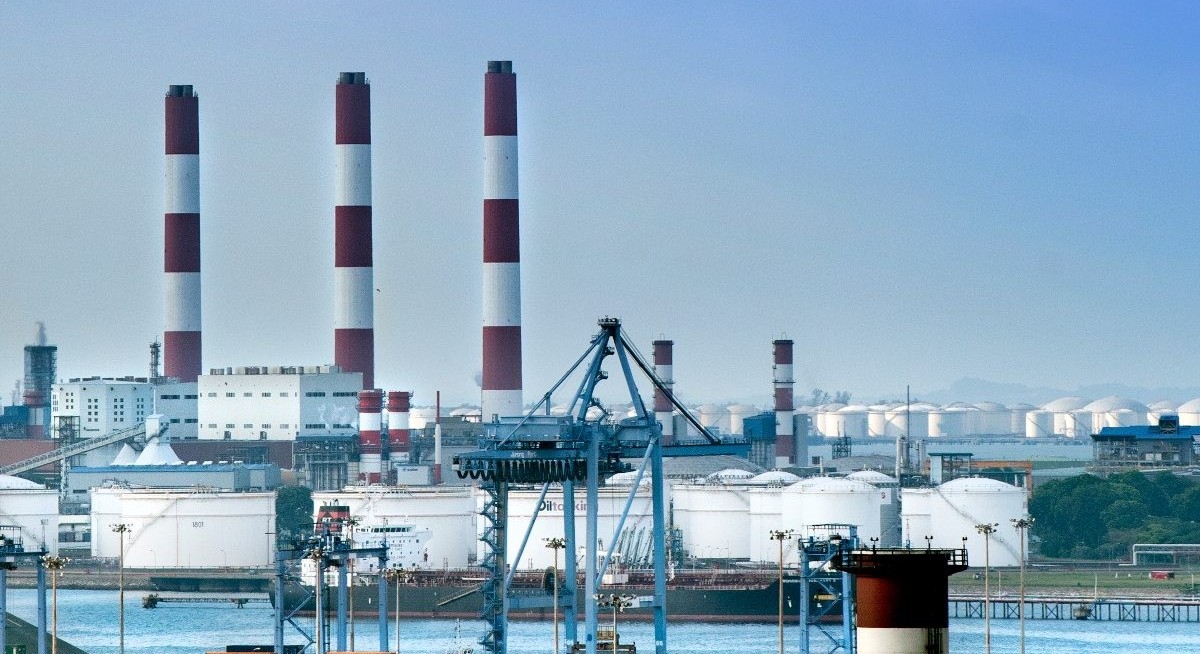



For Singapore’s board directors, the strategic challenge is not whether energy volatility affects their companies but whether they understand the structural dependencies that transform manageable global risks into structural local threats requiring immediate governance intervention.
In December 2022, Jinjja Chicken’s managing director stared at an electricity bill that had quintupled to $10,654 in a single month. His stark reaction was: “There goes all my profit.” The remark captured the existential reality facing Singapore businesses during the 2021–2022 energy crisis that destroyed six electricity retailers and forced cost increases across the economy that still remain today.
While Singapore appears remarkably resilient to energy shocks, with academic research showing GDP actually increases by 0.96% when oil prices rise, this surface-level stability masks structural vulnerabilities that wipe out profits within months.




