






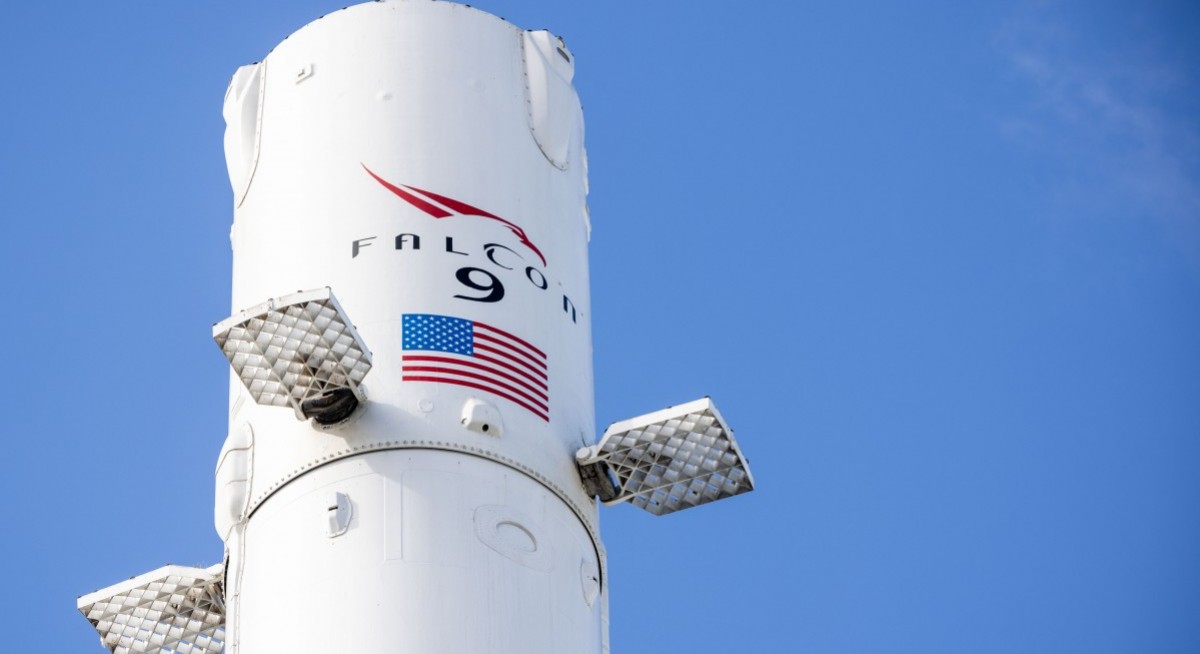



Breaking it down to the basics, SpaceX is essentially a telecommunications company with a side space launch business and huge investments in xAI — a very expensive, bleeding edge start-up that is going nowhere fast. The telecom business or the Starlink part, which is mainly more than 10,000 low earth orbit satellites that provide broadband connections to over 10.3 million subscribers across 164 countries, accounts for most of the firm’s revenues. While 10.3 million broadband customers might not sound like a lot, it is almost as many as the broadband customers that US telecom giant AT&T has.
The world’s most audacious storyteller Elon Musk this past week launched a global roadshow pitching the initial public offering (IPO) of his flagship Space Exploration Technologies Corp, popularly known as SpaceX, to investors around the world. The firm will raise US$75 billion ($95.9 billion) at US$135 a share or a valuation of US$1.77 trillion, nearly 70 times its estimated 2026 sales or around 265 times 2025 ebitda. If all goes well, the SpaceX stock will begin trading on the tech-heavy Nasdaq bourse on June 12, just 16 days before the 55th birthday of founder Musk who will officially become a trillionaire as soon as SpaceX shares start trading.
Regular readers of this column are probably familiar with my thoughts on SpaceX and Musk. There is no shortage of rave reviews of the SpaceX IPO on the internet, with sweeping proclamations about the universe as well as excruciating details of SpaceX’s “mission to make life multi-planetary, understand the true nature of the universe and extend the light of consciousness to the stars”, so I will refrain from regurgitating any of it.




