






During my time at the Singapore Land Authority (SLA), I saw firsthand how reimagining such spaces could spark vibrancy, bring communities together, and even unlock new economic potential. A disused state property turned into a co-working hub. An old school building transformed into a creative cluster. These may not make the front page of the financial papers, but they create ripple effects — nurturing entrepreneurs, sustaining heritage, and fostering identity.
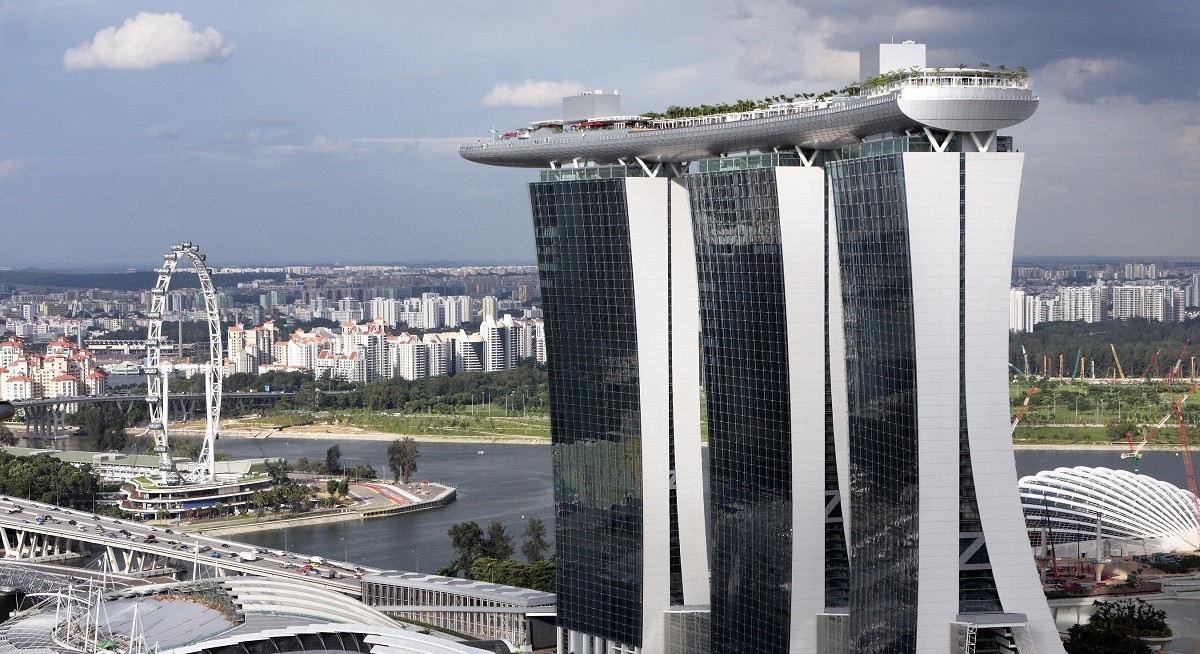
When most people think about real estate in Singapore, the images that come to mind are often of gleaming Grade A office towers, high-end condominiums, or iconic megaprojects like Marina Bay Sands. These projects command headlines, attract global capital, and shape skylines. But having worked across both the private sector and government, I have come to realise that some of the most transformative opportunities in our city lie not in the marquee developments, but in the overlooked, in-between spaces of our urban fabric.
Void decks, rooftops, underutilised industrial estates, even the underbellies of viaducts — these are not typically where investors or developers look for value. Yet, when activated thoughtfully, they can become powerful platforms for culture, community, and commerce. They are the connective tissue of our city, shaping the everyday experiences of Singaporeans far more than a glossy skyscraper ever could.




