






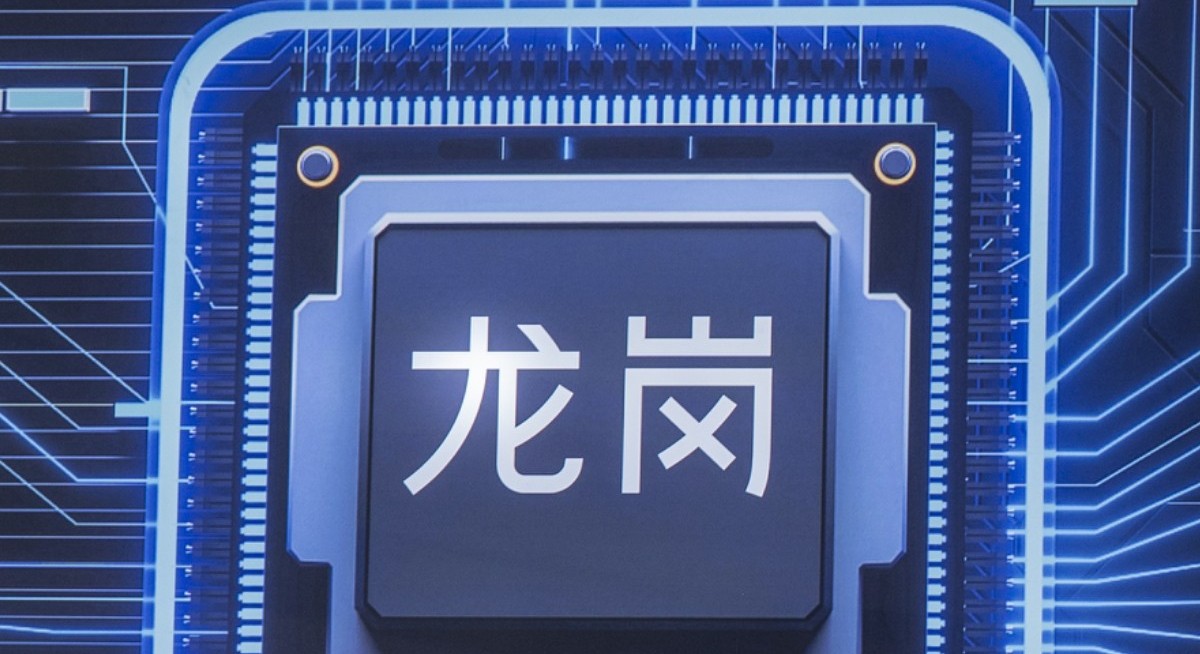



Who will win the coveted AI race? Will it be the US, which by all accounts is still way ahead, with its access to parallel processing chips like Blackwell Ultra designed by Nvidia or Advanced Micro Devices’ MI300 chip, as well as access to the 2nm chip-making prowess of Taiwan Semiconductor Manufacturing, backed by cutting-edge tools shipped by Dutch equipment giant ASML? Or, will it be China — the tortoise with access only to inferior 7nm chip equipment — that will plod along steadily and eventually pip past America?
In one of Aesop’s fables, an arrogant and fast hare challenges a slow but determined tortoise to a race. Confident that sheer speed will ensure victory, the hare naps while the tortoise steadily plods on to win the race. In the tech world, the buzzword until recently has been “move fast and break things” — the motto of Mark Zuckerberg, who founded the social media giant now known as Meta Platforms in his Harvard dorm room at the ripe old age of 19. Yet rapid deployment of technology and addressing problems only as they arise may no longer be the way to go in the age of artificial intelligence (AI).
A race for tech supremacy is now underway between the two largest economies in the world, the US and China. “The escalating AI race is drawing comparisons with the Cold War, and the great scientific and technological clashes that characterised it,” The Wall Street Journal noted in an editorial earlier this month. “It is likely to be at least as consequential.”




