



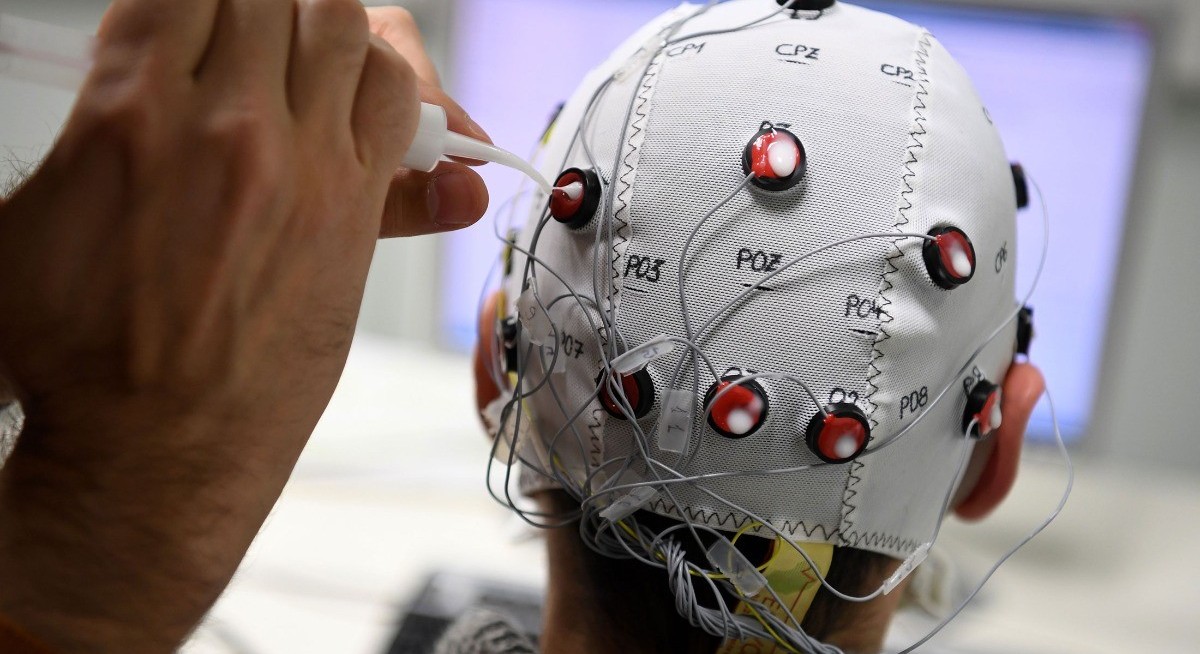


(March 13): China has approved its first-ever invasive brain-computer interface product, marking a key regulatory milestone in Chinese start-ups’ quest to challenge US rivals such as Elon Musk-backed Neuralink Corp in the cutting-edge field.
China’s drug regulator, the National Medical Products Administration, said on Friday that it has granted marketing approval to Neuracle Technology (Shanghai) Co for a brain implant for adult patients who are partially paralysed due to spinal cord injury. In clinical trials, Neuracle’s brain-computer interface (BCI) product helped patients improve their ability to hold and grab objects with their hands.
The firm is among a wave of Chinese start-ups building technologies that allow people to control computers or other electronic devices using only their minds. These companies are receiving powerful backing from the state, which has designated BCI as one of six strategic industries of the future in its latest five-year plan. Having outlined goals to nurture world-leading companies by the end of the decade, the government has pledged to streamline regulatory review and set up reimbursement guidelines even before products reached the market.
The approval has triggered a stock rally among several companies related to BCI technologies listed in Hong Kong, with Sanbo Hospital Management Group Ltd, Innovation Medical Management Co and Nanjing Panda Electronics Co all surging over 10%.
Neuracle’s newly approved product — which according to reports has been tested in 36 patients — is a full system comprising implanted brain sensors as well as a robotic glove, surgical tools, brain signal decoding algorithm, medical testing software and clinical management software. Notably, it is cleared only for people who retain some function in their upper arm — a relatively limited application versus more advanced implants that have been shown to help fully paralysed patients browse the Internet, send emails and play video games.
This limitation stems in part from the design of Neuracle’s implant, which has fewer signal-detection channels and is placed outside the brain’s outermost membrane, compared with other devices that feature more channels or are placed closer to the brain.
See also: China consumption start to year may be worst outside Covid
Investment in the space is heating up globally. This week, Shanghai StairMed Technology Co — one of the first Chinese companies to launch a clinical trial for a brain chip comparable to Neuralink’s offering — completed a 500 million yuan (US$72.6 million or $92.9 million) round of financing led by Alibaba Group Holding Ltd, with plans to implant 40 more patients this year. Gestala Chengdu Technology Co, which is working on a different approach similar to Sam Altman’s Merge Labs, also announced a 150 million yuan seed round.
In the US, Science Corp recently raised US$230 million to commercialise its implant for blindness and develop more brain devices.
Uploaded by Magessan Varatharaja




