



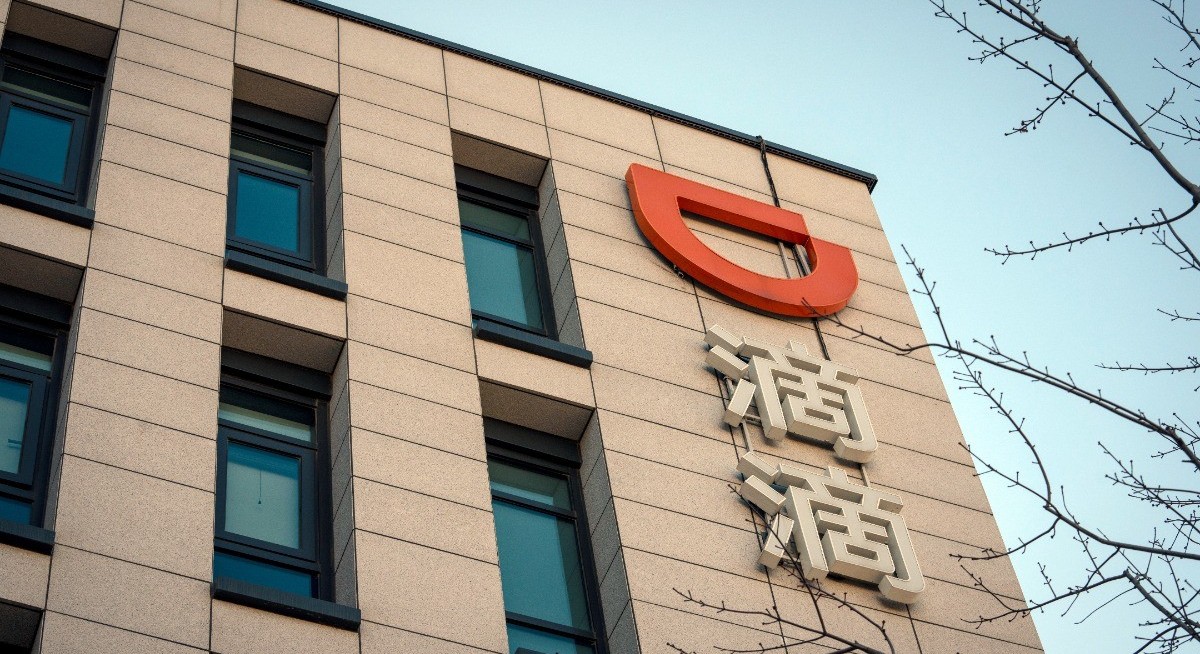


(March 13): Didi Global Inc fell back into the red in the last quarter after the Chinese ride-hailing leader stepped up investments while grappling with new rivals like Meituan abroad.
The company recorded a net loss of 338 million yuan for the December quarter. Revenue rose more than 10%, reflecting growth in newer international markets including Brazil and Mexico.
Transaction volumes within the company’s China and international segments reached new heights, chief executive officer Cheng Wei said in an earnings statement.
Known as China’s answer to Uber Technologies Inc, Didi debuted on the New York Stock Exchange in 2021 but soon drew scrutiny from the cyberspace regulator, which opened a probe into the firm’s data security practices before suspending its app.
The company ultimately delisted from the mainboard and now trades only over-the-counter in the US. It’s said it aims to list on the Hong Kong stock exchange, though it’s never set a formal timeline.
Didi relaunched its apps in 2023 after China closed the probe and has reported profits for most of the past two years. It recently booked a loss in the June quarter due to a one-time charge involving a shareholder lawsuit involving its 2021 IPO.
See also: China approves first brain implant for commercial use
The company also advanced its robotaxi business with self-driving vehicles deployed in some Chinese cities. “We will continue to increase our investment in autonomous driving research and development and operations,” the CEO said in Friday’s statement.
"Intense rivalry in Brazil’s food delivery market remains a risk factor in 2026, reflecting the disruptive market entry of Meituan in October 2025. Improving operating leverage in DiDi’s China ride-hailing business should help lift group Ebita by about 3x between 2025-27, underpinned by a stable regulatory outlook, lower overseas losses and gains from portfolio rationalisation. The forecast rise in profit is not dependent on a successful robotaxi rollout, which still faces substantial technological, regulatory and commercial risks. Though China is well placed as a leading global developer of autonomous driving technology, we believe the mass deployment of robotaxis remains a distant prospect," say Robert Lea and Jasmine Lyu, analysts at Bloomberg Intelligence.
Uploaded by Felyx Teoh




