



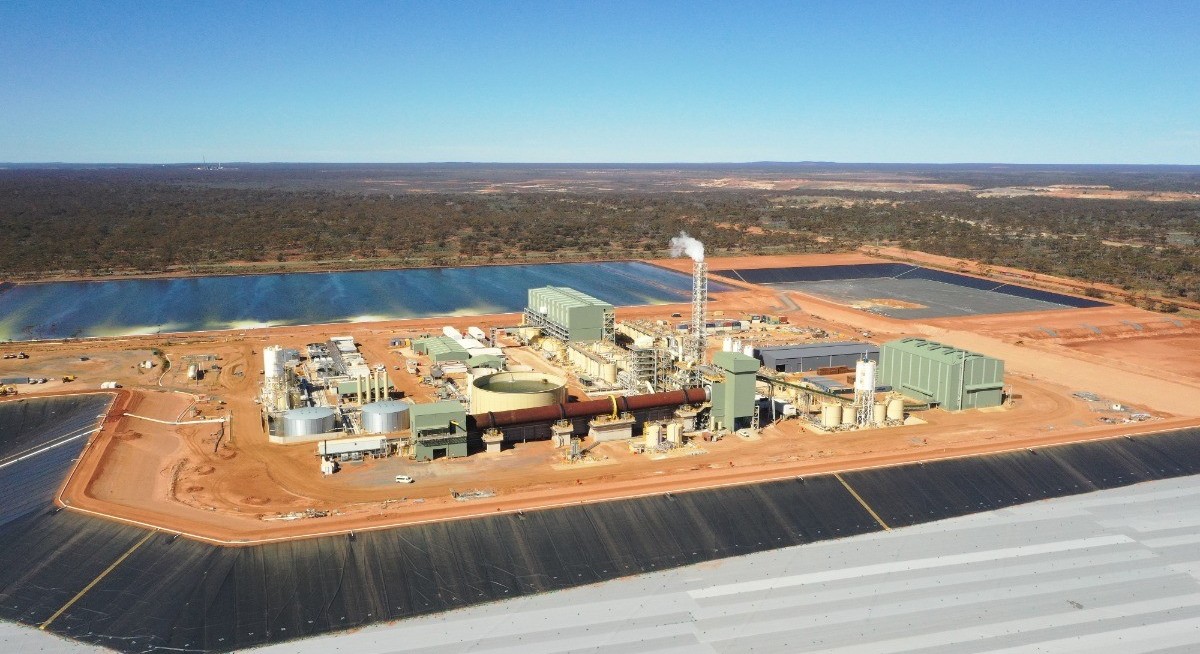


(March 11): Lynas Rare Earths Ltd's shares spiked after winning a commitment from Japan to pay guaranteed long-term prices for the critical materials, the latest sign of the enduring impact of China’s supply squeeze.
Japan Australia Rare Earths BV, which negotiates on behalf of Japanese companies, committed to take at least 5,000 tonnes a year of neodymium-praseodymium oxide until 2038 in a revamp of an existing supply agreement, Lynas said in a statement on Tuesday. The deal also includes a price floor of US$110 a kilogramme, plus a separate pledge for Japan to buy at least half of the Australian firm’s highly-prized “heavy” rare earths.
Shares in Lynas climbed as much as 15% in Sydney to the highest since October. Trading house Sojitz Corp — a major holder in the Japanese entity — rose as much as 3.3% in Tokyo.
Lynas is one of only two major rare earth miners outside Beijing’s orbit and has been backed by Japan’s government and corporates for more than a decade. The supply deal reflects intensifying global efforts to secure access to raw materials after China used export controls as a trade weapon in 2025.
The agreement will provide reliable access to products that are strategically important to the Japanese industry, Lynas CEO Amanda Lacaze said in the statement. “The implementation of fair market pricing will reduce price volatility for Lynas and enable continued growth and investment in our operations,” she said.
Sojitz and the Japan Organization for Metals and Energy Security jointly set up Japan Australia Rare Earths BV.
See also: Iran war drives key Japanese aluminium fee to highest since 2015
The contract extension came at an “opportune time", according to JOGMEC. “The floor price at US$110 per kilogram for sales to Japanese industry is appropriate, as it is aligned with the prevailing global market price,” the agency told Bloomberg News, adding it’s “comparable to the level at which the US government guaranteed supply from MP Materials".
Sojitz declined to comment on the revamped deal.
Lynas said up to 75% of its heavy rare earth supply would be made available to Japan. The company started producing the elements — dysprosium and terbium — last year, making it one of the few sources outside China. The so-called heavies are crucial additives for high-performance magnets in electric vehicles, robots and military equipment, and were a pressure point in the supply crisis last year.
See also: Japan deepens rare earths ties with Lynas as world seeks supply
Western rare earth suppliers — and the Trump administration — have argued that floor prices are necessary to bolster a market that had been previously crushed by an influx of low-cost Chinese materials. When the Pentagon made a major investment in MP Materials Corp last year, it also pledged a minimum of US$110 per kilogramme for neodymium-praseodymium, the main building block for rare earth magnets.
Uploaded by Arion Yeow




