





(March 12): The European Union (EU) warned that its inflation rate could surpass 3% this year if the war in the Middle East causes Brent oil prices to remain around US$100 per barrel and gas prices stay elevated for an extended period.
Under such a scenario, economic growth in 2026 would also take a hit. It would be as much as 0.4 percentage points lower than the 1.4% pace forecast late last year, the EU’s economy chief, Valdis Dombrovskis, told the bloc’s finance ministers this week, according to people familiar with the matter.
In addition to oil prices, the scenario assumes European gas prices of around €75 per megawatt-hour for the rest of the year. The effect means inflation would be 0.7-1 percentage point above the 2.1% previously projected for 2026.
A significant pickup in inflation could force the European Central Bank (ECB) to raise interest rates in response, and traders have increased bets on such a move this year. The ECB’s next decision is on March 19, though no hike is expected then.

The commissioner also warned that there could be additional downside effects on the economy from the conflict’s impact on financial markets, trade and supply chains, the people said.
See also: US launches trade probe into China, EU; Singapore and Malaysia also in Trump's crosshairs
European gas prices have surged since the outbreak of the war. They were trading at around €52 on Thursday, after approaching €70 earlier this week. Brent is near US$100 a barrel.
Dombrovskis told EU finance chiefs that indicators had recently been improving and the prospects for the economy were slightly better compared with the autumn, with growth of around 1.5% and 1.6% expected for this year and next, the people said, on condition of anonymity because the discussions were private.
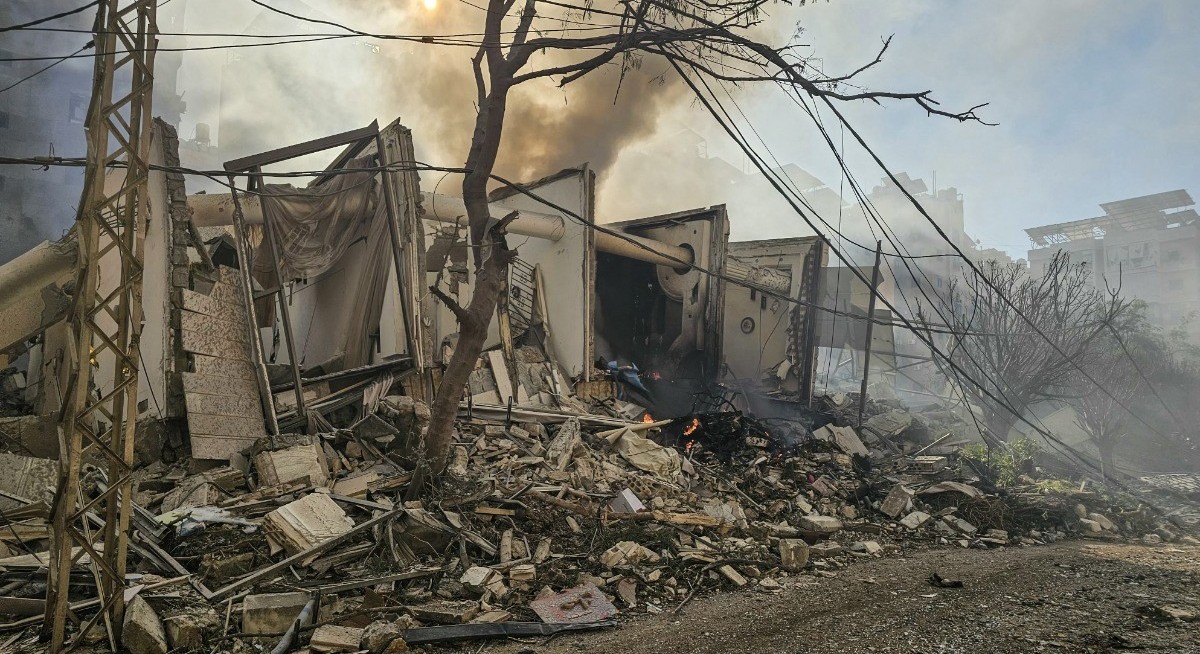
But that outlook is now clouded by the war in Iran, which has spread across the region. Missiles and drones have hit energy facilities in countries including Saudi Arabia and Qatar, affecting LNG and oil output. In addition, the transit of oil tankers and other goods through the key Strait of Hormuz has come to a near halt.
See also: ECB’s Muller says rate-hike chances higher but urges calm
The European Commission didn’t immediately respond to a request for comment sent by Bloomberg after working hours.
On Thursday, Goldman Sachs said that in a “very adverse” scenario — with energy flows through the Strait of Hormuz disrupted for 60 days and oil climbing to US$150 — euro-area inflation could reach 4.4% at the end of 2026. If that happens, the ECB could hike interest rates three time starting in June, it said in a note.
In a research paper published earlier this week, Oxford Economics said that if global oil prices averaged around US$140 for two months consumer-price growth in the 21-nation’s region may even average 4.3% in 2026 — more than double the ECB’s 2% target. At the same time, it would significantly dampen economic growth, it said.
Speaking to reporters on Monday, Dombrovskis said that “the impact on the European economy will depend on the duration, scope and intensity of the conflict”.
“A persistent targeting of shipping and energy infrastructure risks exposing the global economy to a stagflationary shock over the longer term,” he said.
In order to cushion the effects, the International Energy Agency agreed on Wednesday to discharge 400 million barrels from emergency oil reserves, its largest-ever release.
ECB policymaker Isabel Schnabel said on Wednesday that while euro-area inflation is expected to be at the ECB’s 2% target over the medium term, the new projection in March will “at least partly already reflect” the impact of the war.
Uploaded by Felyx Teoh




