



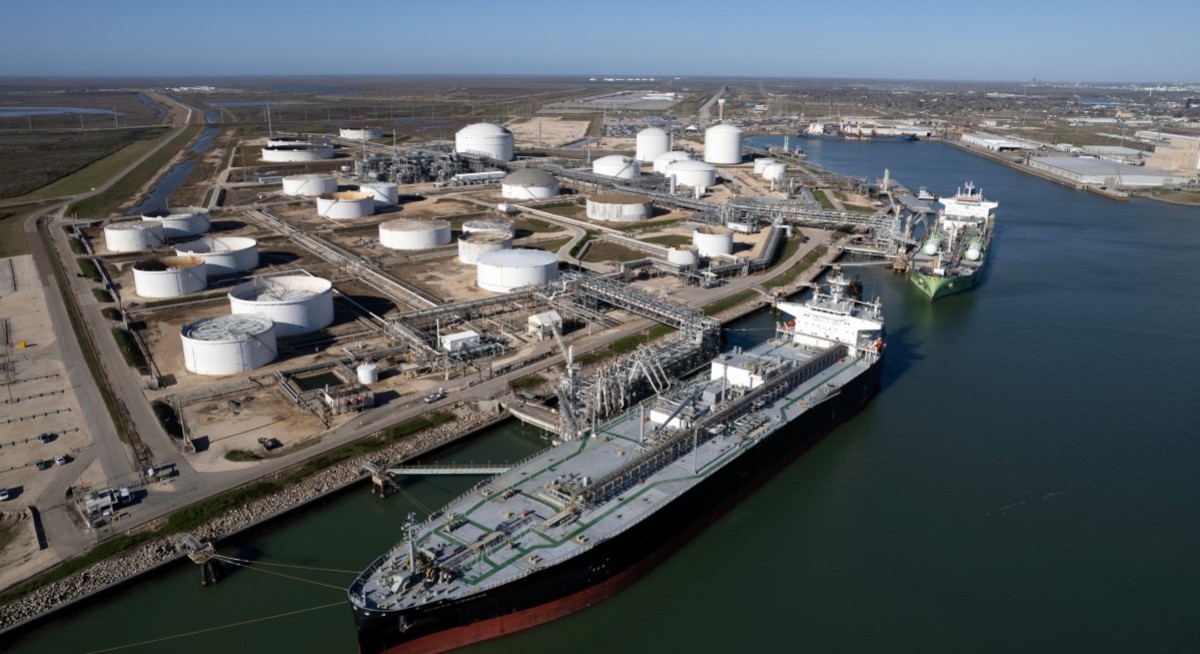


(March 12): Brent jumped back above US$100 ($127.62) a barrel after Oman cleared all ships from its key export oil terminal and two tankers were attacked in Iraqi waters, as risks from the Iran war spread widely across the Middle East.
The global oil benchmark soared as much as 10% to US$101.59 a barrel, while West Texas Intermediate (WTI) surged near US$96. Oman evacuated all vessels from Mina Al Fahal as a precautionary measure, said people familiar with the matter. The facility sits outside of the Strait of Hormuz and is one of the few remaining ports through which Middle East crude can be shipped to global markets.
Iraq also halted operations at its oil terminals after ships were targeted, the director of General Company for Ports Iraq told state media. Those attacks deep inside the Persian Gulf and the actions taken by Oman underscore the wide-ranging impacts from the ongoing conflict, and overshadowed a record release of oil reserves by the International Energy Agency or IEA in an attempt to cool surging prices.
The crucial Strait of Hormuz, through which a fifth of global oil typically flows, remains effectively closed and has led to major Gulf producers cutting output. Prices of natural gas and products such as diesel have surged along with crude, with Brent and WTI spiking towards US$120 a barrel on Monday before pulling back. The market has been whiplashed by dramatic fluctuations this week.
Goldman Sachs Group Inc warned that oil prices could exceed the 2008 peak if flows via Hormuz remain depressed through March, the bank said in a research note updating its price forecasts. That year, Brent rallied to a high of US$147.50 a barrel on surging demand and stagnating supply.
“The only thing that’s really going to bring oil prices back down is if we really see the Strait of Hormuz reopen,” Neil Beveridge, a director of research at Sanford C Bernstein & Co, said in an interview on Bloomberg Television. The flow rates from strategic reserves are “nothing compared with the 20 million barrels” a day of disruption from the Hormuz closure, he added.
See also: Asia’s LNG buyers hunker down for Middle East war lasting months

Iraq was one of the first Persian Gulf producers to start reducing output after the near-closure of Hormuz, followed by Kuwait and Saudi Arabia. The cuts have forced the IEA to act with a coordinated release of 400 million barrels — a historic drawdown that is significantly higher than the volume that followed Russia’s invasion of Ukraine in 2022.
The US announced it plans to release 172 million barrels as part of the effort by nations around the world to cool prices. Global consumption of crude is slightly more than 100 million barrels a day and Gulf producers have had to reduce roughly 6% of that so far. Cuts in the Middle East could climb further.
See also: US to release 172 million barrels of oil for IEA relief plan
“This is what I was concerned about with the IEA release — completely ignored, and now prices are higher,” said Darrell Fletcher, a managing director for commodities at Bannockburn Capital Markets. “It may have sent the wrong signal. What do they know that we don’t?”
Oil rose on Wednesday on escalating rhetoric. Iran told regional intermediaries that any ceasefire would require the US to guarantee that neither it nor Israel would strike the country in the future. Washington is unlikely to accept those terms, further dimming expectations that the war will end soon.
In a speech on Wednesday in Kentucky, US President Donald Trump repeated that the war would end soon, though he suggested the US would stay as long as it takes to finish its objectives. “We don’t want to leave early, right?” he told the crowd.
Uploaded by Isabelle Francis




