





(March 12): Iran escalated attacks on parts of Dubai and shipping assets, pushing oil prices above US$100 ($127.53) a barrel on Thursday and causing more concern about the length of the Middle East war and the effective closure of the Strait of Hormuz.
Dubai residents received at least two missile alerts on Wednesday night and a drone fell on a building in Creek Harbour, a new development of residential towers. The authorities said they quickly had the resulting fire under control and there were no casualties reported.
Earlier in the day, banks including Goldman Sachs Group Inc and Citigroup Inc told staffers in Dubai to stay away from their offices. That came after the Associated Press reported that Iran’s joint military command said banks and financial institutions are now targets in the Middle East.
On Thursday morning, Dubai authorities said there was a minor drone incident in Al Bada’a, an area near the city’s downtown. Kuwait said the international airport was targeted by several drones, resulting in material damages.
The war began on Feb 28, when the US and Israel attacked Iran with airstrikes, killing Supreme Leader Ali Khamenei, and triggering a response from Tehran that’s seen missiles and drones fired across the Gulf. Besides jolting energy and financial markets, the conflict has resulted in thousands of flight cancellations and disrupted the flows of fertilisers and other goods.
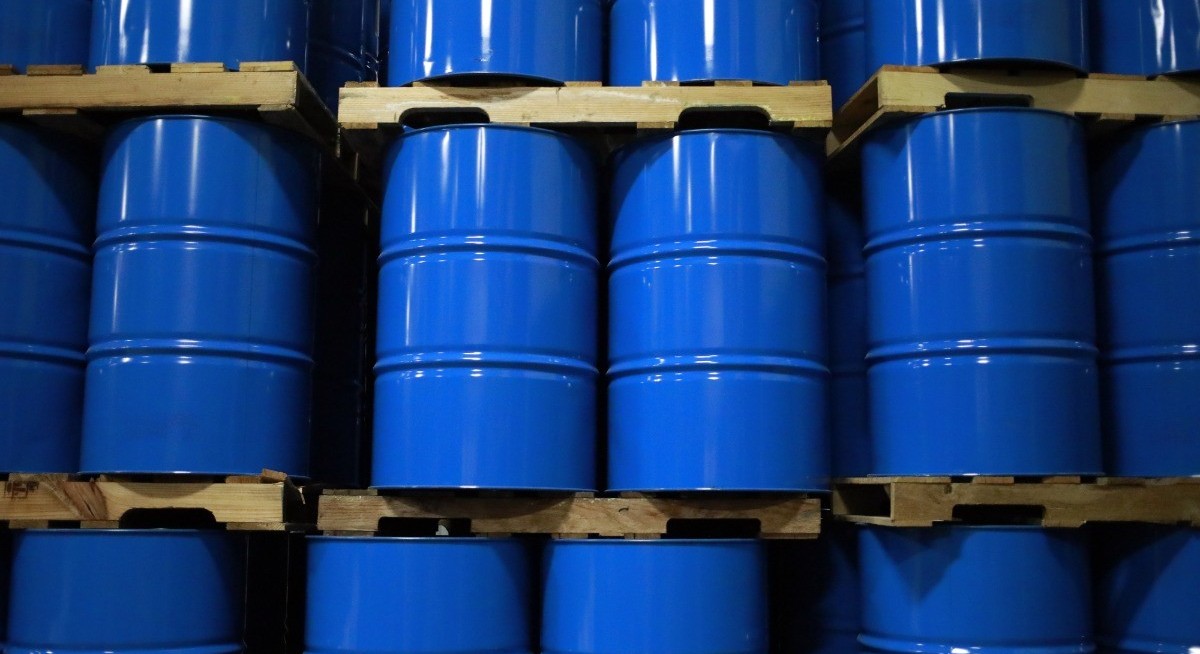
Two crude tankers were hit in Iraqi waters and Oman evacuated a key oil-export terminal of Mina Al Fahal as risks to global energy supply from the war deepened. Brent crude rose above US$101.50 in early trading on Thursday, before paring gains. It’s up around 60% this year.
See also: China tightens fuel export curbs as Iran war hits oil supply
Iran’s President Masoud Pezeshkian gave the most specific comments yet as to what it would take for his country to accept a ceasefire. Tehran needs “firm international guarantees against future aggression” as well as reparations, he said on X on Wednesday, after speaking to “leaders of Russia and Pakistan”.

Bloomberg reported that Iran has told regional intermediaries that for a truce, the US must guarantee that neither it nor Israel will strike the country in the future. Iran is particularly concerned Israel will attack again after the current war ends, according to people familiar with the matter.
See also: Brent oil soars back above US$100 as impact of Iran war deepens
It’s unclear if the US is willing to give Iran such a pledge and if it would be able to insist on Israel doing the same.
US President Donald Trump gave mixed messages as to how long the US is prepared to keep the war going. He told Axios there is “practically nothing left to target” in the Islamic Republic. Yet he also signalled in a speech that it would be unwise for the US to wind up hostilities too soon.
“We don’t want to leave early, right?” he told a crowd in Kentucky.
US military and Israeli officials are suggesting the conflict could continue for weeks, rather than days.
Trump again tried to reassure Americans and traders about energy prices, saying a massive release of emergency oil reserves approved by the International Energy Agency would ease price pressures.
In Kentucky, he said the move would “substantially reduce oil prices as we end this threat to America and this threat to the world”.
His comments and the announcement of the release of reserves did little to calm volatile markets.
To stay ahead of Singapore and the region’s corporate and economic trends, click here for Latest Section
The Strait of Hormuz — through which about one-fifth of the world’s oil and natural gas flows — been all but impassable since the opening salvos of the war. Countries from Saudi Arabia to Iraq, Kuwait and the United Arab Emirates have had to curb crude production.
A one-month closure of the waterway would drive Brent towards US$105 a barrel, while a three-month shutdown could push peak prices near US$164, according to a model of a prolonged halt in traffic from Bhargavi Sakthivel and Ziad Daoud, economists at Bloomberg Economics.
The US national average cost for a gallon of gasoline rose to US$3.58 on Wednesday, its highest since May 2024, American Automobile Association data showed.
Trump is preparing to invoke Cold War-era powers to clear the way for renewed oil production off the southern California coast, according to a person familiar with the matter. The US International Development Finance Corp also announced that Chubb Ltd is partnering with the agency on a US$20 billion reinsurance backstop aimed at reviving shipping in the Strait of Hormuz.
Switzerland, which acts as a conduit for the US in Iran, temporarily closed its embassy in Tehran due to increased security risks, though it said it would continue its mandate.
The UK Navy said three vessels were hit with suspected projectiles in the Strait of Hormuz and the Persian Gulf. Oman reported that a Thai-flagged cargo vessel was also targeted.
Iran staged more strikes against Israel overnight. The US and Israel continued bombing Iran.
Israel’s defence minister, Israel Katz, said the campaign would continue until “victory is achieved”. While the US and Israel remain publicly united and their militaries are working in tandem, officials have acknowledged that a prolonged campaign may start to drive a wedge between Trump and Prime Minister Benjamin Netanyahu.
Around 2,500 people have been killed across the Middle East since the war began, official tolls and those from non-government agencies showed.
At least 1,825 Iranians have been killed so far, according to the Human Rights Activists News Agency.
At least seven US service members have died, most of them in the first two days of fighting. There have been several deaths in Gulf countries and Israel.
Fighting is also intense in Lebanon, where Israel is striking targets linked to Hezbollah, an Iran-backed militia and political party. Some 634 people have been killed by Iraeli strikes, which began on March 2, the Lebanese state-run National News Agency said.
Uploaded by Tham Yek Lee




