



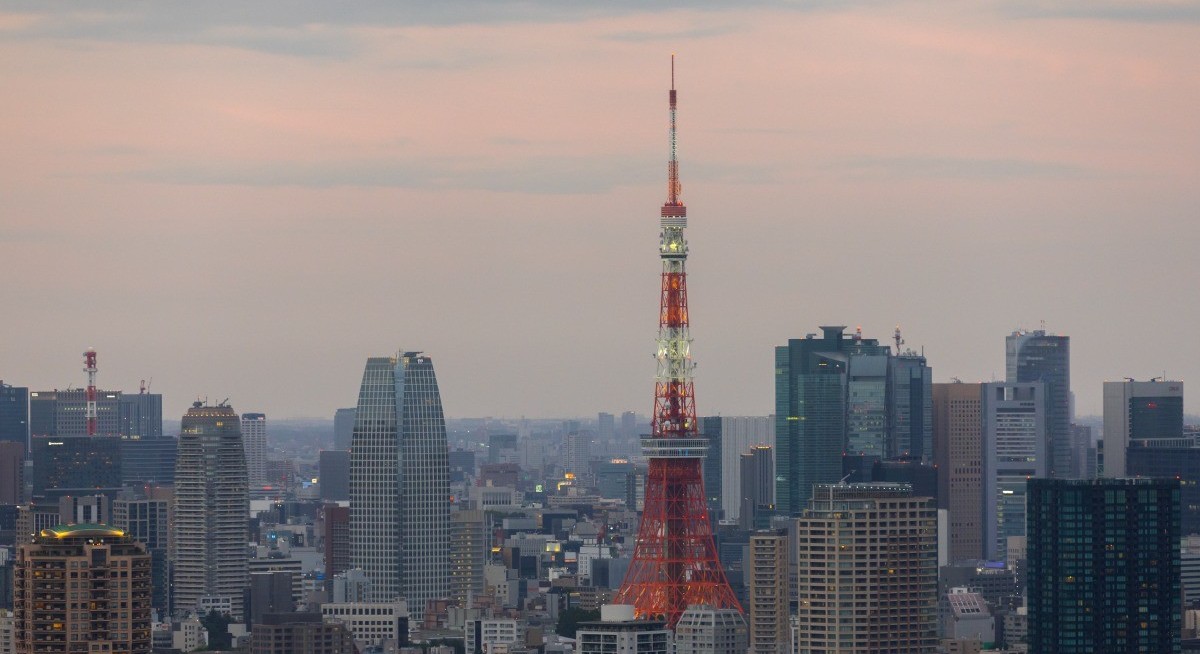


(March 14): Japan and other Asia-Pacific nations are set to unveil at least US$30 billion ($38.45 billion) worth of agreements with US companies this weekend, as Trump administration officials descend on Tokyo to press for more collaboration with regional allies on energy and critical minerals.
Roughly 20 planned deals in the form of purchase commitments and other transactions have been confirmed as events got underway on Saturday, according to a White House official who asked not to be named before the announcements. The deals span a range of products and sectors including liquefied natural gas (LNG), coal and nuclear power, critical minerals, batteries and strategic infrastructure finance, the official said.
The flurry of activity comes in the run-up to Japanese Prime Minister Sanae Takaichi’s visit to Washington on March 19 and US President Donald Trump’s planned trip to Beijing to meet Chinese President Xi Jinping in roughly three weeks.
The first-ever US-sponsored Indo-Pacific Energy Security Ministerial and Business Forum in Tokyo comes as the White House seeks to diversify US supply chains for the critical minerals used in mobile phones, batteries, jet engines and other products. Under Trump, the US has already taken steps — including buying stakes in mineral companies — to wean itself off supplies from China after a trade dispute halted the flow of some materials last year.
A phalanx of American government officials are attending the summit that’s organised by the US Trade and Development Agency (USTDA) — including more than a dozen representatives from at least five Cabinet-level departments as well as the White House, its National Energy Dominance Council (NEDC), the USTDA and the US Export-Import Bank. Overall, some 18 nations are set to participate, including Australia, Bangladesh and South Korea.
The Middle East war — and the energy-related disruptions it’s spawned — will heighten the intensity of discussions, underscoring the benefits of diversifying supplies of natural gas and other commodities. The suspension of LNG exports from Qatar’s state-owned energy company — long viewed as the world’s most reliable supplier — has highlighted the risk of relying on one region for critical energy supplies and could give a commercial boost to US rivals.
See also: Canada unemployment rate rises to 6.7% with 83,900 out of jobs
“Global energy markets, certainly, today, are being stressed by these large global events,” Interior Secretary Doug Burgum said at the start of the summit on Saturday. “But that makes it even more important than we have the discussions and dialogues that we’re having here today — and not just a dialogue but that we actually translate those dialogues into deals, that there’s investments that are being made, partnerships being formed.”
Japanese Trade Minister Ryosei Akazawa exhorted ministers and executives to collaborate in the wake of the announced release of oil reserves and other initiatives meant to help stabilise turbulent crude markets.
“Let’s broaden our horizons beyond immediate emergency measures,” he said. “The long-term and strategic choices we make today on how we develop resilient energy systems and supply chains could shape the Indo Pacific region’s energy for decades to come.”
See also: Will the Strait of Malacca keep the Strait of Hormuz flowing?
Ministers are set to huddle in closed-door discussions centred around the view that dependable energy supplies developed in partnership with trusted allies are essential for regional stability, economic growth and competition in an artificial intelligence-fuelled environment. Critical minerals will be a particular focus, a White House official said.
That aligns with a Trump energy-dominance agenda that Burgum said “is about making sure that we have prosperity at home” as well as “enough energy to be able to sell to our friends and allies, so they don’t have to buy from our adversaries or be threatened by our adversaries in terms of their supply chains”.
While Washington is seeking to diversify its mineral supply chains, Trump administration officials are also making the case for other countries to buy from the US.
“With growing production capacity and a proven record as a dependable energy partner, the US is delivering the fuels, minerals and technologies that power resilient economies and secure supply chains for the American people and our allies alike,” said Burgum, who also heads Trump’s NEDC.
At least one deal set to be discussed over the two-day weekend event has previously been announced: Venture Global Inc’s long-term contract to supply 1.5 million tons a year of LNG to a subsidiary of South Korean conglomerate Hanwha Corp. Hours before the conference began, Venture Global announced it will move forward with an US$8.6 billion expansion of its third LNG export project in Louisiana.
Other agreements and transactions will be new, a White House official said.
Bilateral talks between US and Japanese ministers will help set the stage for Takaichi’s meeting with Trump next week. By hashing out where partnerships can be made they will help set the table for the White House talks, one of the officials said.
Uploaded by Tham Yek Lee




