



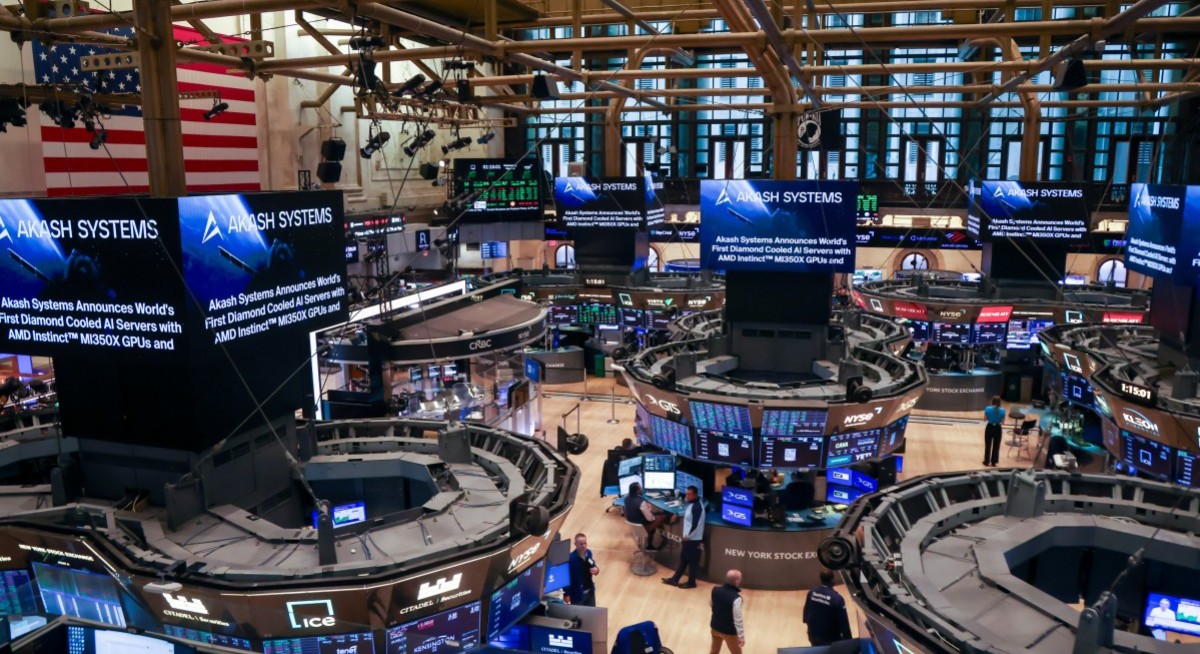


(March 13): A renewed oil spike stoked fears the war in Iran will further crimp energy supplies and fuel inflation, spurring a slide in stocks, which were also hit by signs of distress in the US$1.8 trillion private-credit market.
Brent closed above US$100 for the first time since 2022, with the Strait of Hormuz blockage choking off flows through the trade artery. The S&P 500 fell 1.5% to the lowest since November. Banks sank as redemption requests from private-credit funds forced Morgan Stanley and Cliffwater LLC to cap withdrawals. Deutsche Bank AG flagged a US$30 billion exposure to the sector. A gauge of megacaps approached the threshold of a correction. In late hours, Adobe Inc. gave a tepid outlook and said its chief will resign.
Short-dated Treasuries slid as traders ceased to fully price in a Federal Reserve rate cut in 2026. More broadly, global bonds erased this year’s gains. The dollar hit an almost two-month high. Gold fell.
President Donald Trump and Iran’s new supreme leader both struck defiant tones on the 13th day of the war, offering little relief to energy markets despite fresh US efforts to curb oil prices.
The US president said in a social-media post that preventing Iran from having nuclear weapons and threatening the Middle East is “of far greater interest and importance to me” than the cost of oil. Mojtaba Khamenei noted the Islamic Republic would seek to ensure the Strait of Hormuz remains effectively closed.
“The number one issue facing the markets right now is obviously the war,” said Matt Maley at Miller Tabak. “The conflict in the Middle East is not abating. This caused crude oil to spike.”
See also: Dick’s expects 2-4% sales growth at namesake stores, Foot Locker
The Trump administration plans to waive a century-old maritime law that requires American ships be used to transport goods between US ports as it seeks to blunt surging oil prices, Bloomberg News reported. The US Navy could start escorting tankers through the Strait of Hormuz by the end of March, Energy Secretary Chris Wright told CNBC.
Goldman Sachs Group Inc. warned that oil prices could exceed the 2008 peak if flows via Hormuz remain depressed through March. Brent rallied to a high of US$147.50 that year. The Iran war is causing unprecedented turmoil in oil markets, hitting 7.5% of global supply and an even bigger swath of exports, the International Energy Agency said.
“As long as the bottlenecks around the Strait continue, oil prices will remain elevated, raising the risk that the conflict makes its mark on the economy,” said Bespoke Investment Group strategists.
See also: US stocks fall on war, credit worries as oil surges
While some sort of positive news is always possible at any moment, the action in crude is suggesting this is going to drag on for some time, said Jonathan Krinsky at BTIG.
“We would continue to try and look through those near-term headlines, as we still see the conflict/closure as lasting weeks/months and not changing the forward outlook meaningfully,” said Sameer Samana at Wells Fargo Investment Institute.
If history is any guide, retreating from markets during periods of heightened volatility is unlikely the best strategy over the long term, according to Ulrike Hoffmann-Burchardi at UBS Global Wealth Management.
“But we believe holding sufficient liquidity to cover foreseeable expenses can help investors avoid forced selling in the event of a market drawdown,” she said.
The latest economic reports haven’t been enough to drive the focus away from the war. Still, traders are bracing for Friday’s inflation data: the Fed’s preferred price gauge.
“The risks to the data could be asymmetric,” said Kyle Rodda at Capital.com. “A benign print will be business as usual. A hot print will raise fears of rising inflation going into the inflationary impacts of an energy crisis.”
Trump said on social media that Fed chair Jerome Powell “should be dropping interest rates immediately, not waiting for the next meeting!”
To stay ahead of Singapore and the region’s corporate and economic trends, click here for Latest Section
With the Fed expected to hold rates steady next week, investors will focus on any eventual changes to its outlook.
“The most hawkish outcome would be if the Fed removed its easing bias from the statement, while the median projection shifted from one cut this year to no change,” said Stephen Brown at Capital Economics.
Uploaded by Isabelle Francis




